
Myanmar currently has fuel reserves sufficient for about 40 days of petrol and 50 days of diesel, with plans in place to import an additional 26 fuel tankers during April, according to a statement from the Ministry of Energy. The ministry also said that systematic fuel consumption could save the country approximately US$2 billion annually.
Petroleum products, including petrol, diesel, and liquefied petroleum gas (LPG), account for 29 percent of the country’s total energy consumption, with the transportation sector being the primary user. As much as 97 percent of petrol and diesel used in transportation is imported, meaning that countries like Myanmar, which rely heavily on imports, are facing significant challenges amid global fuel supply difficulties.
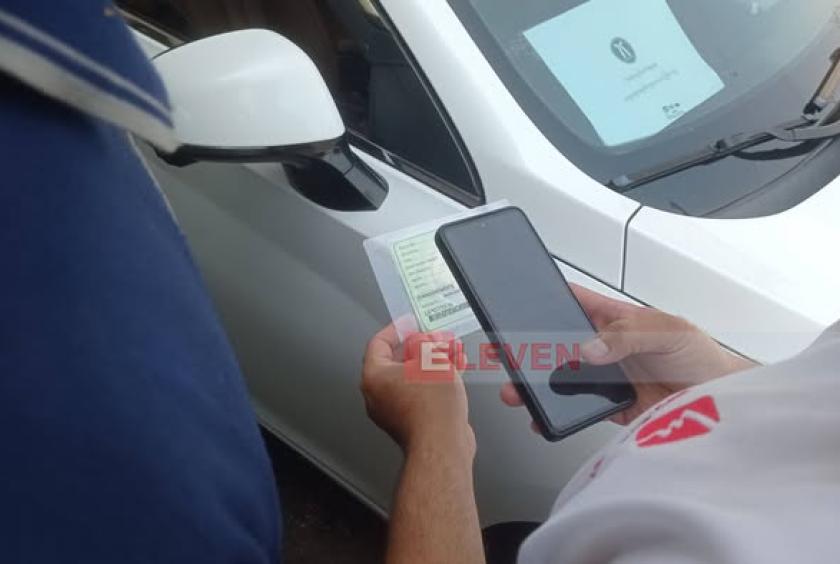
To address fuel-related challenges, the government has implemented management measures and digital-based sales systems to regulate distribution. These efforts have helped bring fuel importation and distribution onto a more systematic path while significantly reducing consumption.
Data from February 20 to April 6, 2026, show that average daily fuel consumption declined from 3.54 million gallons to 2.5 million gallons—a reduction of about 29 percent. This decrease is expected to save approximately US$6 million per day in foreign currency and allow the country to build up an additional 10 days of fuel reserves.
Myanmar imports around 5 million tons of fuel annually, costing over US$5 billion. With more efficient and systematic fuel usage, the country could reduce this expenditure by about US$2 billion each year. The ministry added that fuel sufficiency remains stable, with current reserves and planned imports, while long-term arrangements are also being made to secure fuel supplies from partner countries.
The Ministry of Energy urged the public to rely only on official information and cooperate with authorities. It also warned media outlets against spreading unverified reports or sensational headlines that could cause public concern. The public is encouraged to follow official fuel purchasing guidelines, while fuel stations continue QR code-based sales systems and can access emergency fuel supplies if needed. Authorities also advised contacting designated call centers to report any difficulties and assist in ensuring smooth fuel distribution.