
Thai energy company PTT has said it is ready to stop selling fuel to the Myanmar border, the Bangkok Post reported.
OR, a retail company of PTT’s Oil, a listed company in the Stock Exchange of Thailand, said it was preparing to stop selling fuel to the Myanmar border in line with the government’s policy of cracking down on criminal gangs operating on the Myanmar side of the border.
It is ready to comply with the government’s order and is awaiting a formal order from Thailand’s National Security Council (NSC) to ban fuel imports, said OR executive vice president for International Business Racha Uthaichan.
PTT sold between 15 million and 20 million liters of gasoline and diesel to Myanmar a month, which the company’s customers sell to gas stations in Myawady, Tachileik, Myeik and Kawthoung.
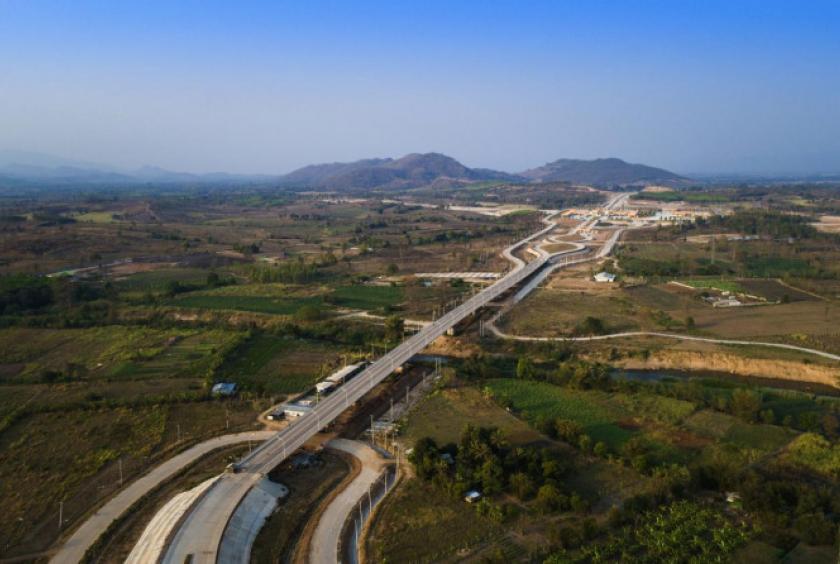
The fuel is being exported to Myanmar from a border gate near the Thailand-Myanmar Friendship Bridge in Mae Sot District, Thailand.
The fuel bowsers have already left the oil depot and are heading towards the bridge, but have not yet been able to pass through the checkpoint in Mae Sot District, said Mr Racha.
“We are monitoring the situation. If the trucks are unable to leave the checkpoint, we will inform our customers immediately,” Mr Racha said.
Thai Prime Minister Paetongtarn Shinawatr ordered to cut off fuel and electricity supplies immediately to online fraud gangs on the Myanmar side on February 4.
Five areas, including Myawady, Tachileik and Phayar Thone Zu, were then cut off from the power supply on the morning of February 5.
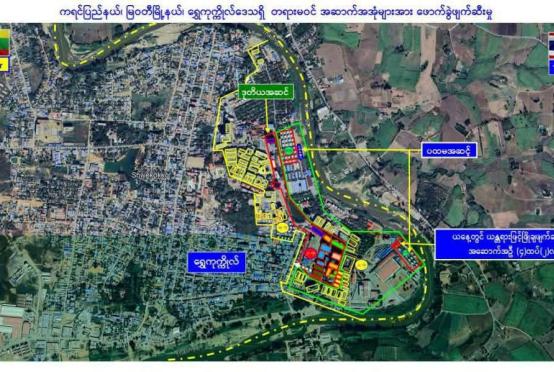
Thailand is cooperating in a multinational crackdown on telecom fraud centers operating in the Myawady border township of Myanmar, where many believe online fraud operations are taking place.
Phumtham, who is also the chairman of Thailand's National Security Council (NSC), said the problem has had a serious impact on Thailand, and that about 500,000 Thais were victims of online fraud from 2022 to June 2024.
Online fraud has cost Thailand more than 60 billion baht, the Thai defence minister said, citing data from the Thai Cyber Crime Investigation Bureau.