
Thailand has cut electricity, internet, and fuel supplies to several border towns along the Thai-Myanmar border, including Myawaddy and Phayar Thonesu, in an effort to combat online money laundering gangs operating in the region. The action began at around 9:00 am on February 5, local time, following a decision made by Thai officials on February 4.
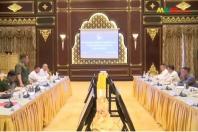
The meeting that led to the decision of cutting electricity included Thai Deputy Prime Minister, Defense Minister, and the National Security Council (NSC). Thai Prime Minister Phatthana Shinawatra also approved the immediate cutoff of critical services to disrupt the operations of online money laundering syndicates in the region.
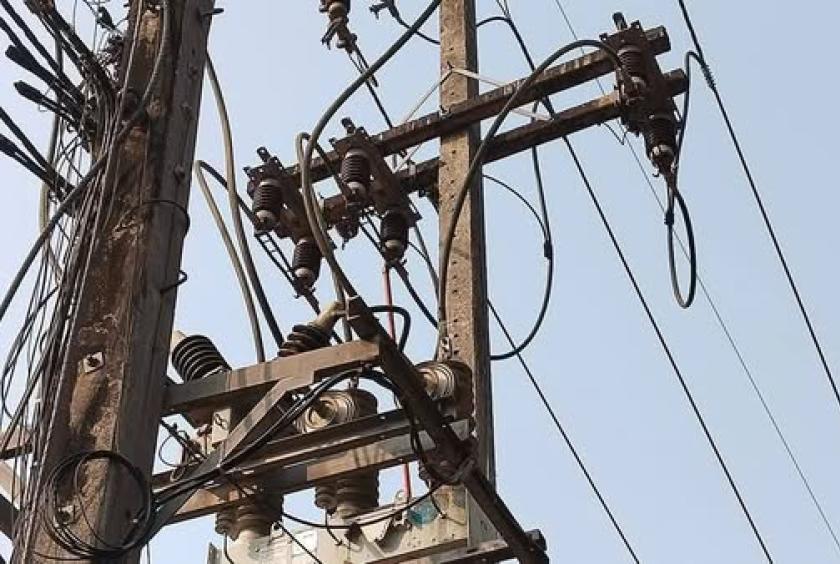
According to local sources, the electricity disruption has affected Myawaddy, Phayar Thonesu, Mong Ton, and Tachileik in Myanmar’s Karen State. In Myawaddy, electricity was cut off around 8:30 AM Myanmar time, impacting residential areas, factories, hospitals, and various offices. While certain areas, such as the Thai-Myanmar bridges, remain unaffected, widespread outages have been reported. The local power supply is typically managed by companies such as Nyi Naung Oo Co., Ltd & Enova Grid Enterprise (Myanmar) Co., Ltd and Shwe Myit Thaung Rin Industrial Manufacturing Company Limited, which rely on power from Thailand.
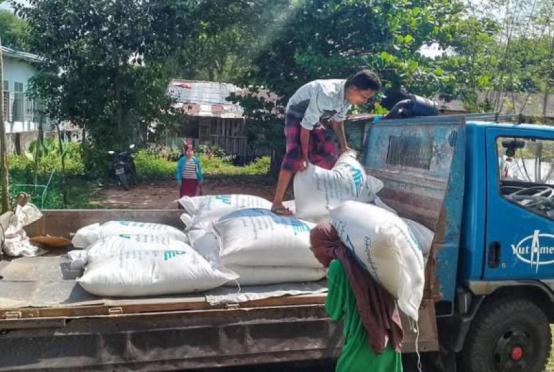
Similarly, in Phayar Thonesu, power was also cut off at approximately 8:30 am local time. In addition to the electricity outages, residents have reported rising prices for essential goods, including water and fuel. The price of a 20-liter bottle of drinking water has increased from 10 baht to 15 baht, while fuel costs have surged from 35 baht to 60 baht in some shops. Local businesses are already struggling, with many small and medium-sized enterprises dependent on electricity at risk of shutting down.
Thai authorities have ordered five Myanmar companies that supply electricity to border towns to comply with the directive and cut off power to prevent support for illicit activities. If the companies fail to comply, the Thai NSC has warned they will face severe consequences. The disruption to utilities is part of Thailand’s broader effort to curb illegal cross-border activities, particularly those linked to organized crime along the border region.
Residents and business owners along the border have expressed concerns about the long-term impact of these disruptions on their daily lives and local economies.