
UNICEF Myanmar has reported that over five million children in Myanmar are losing access to education due to ongoing armed conflicts.
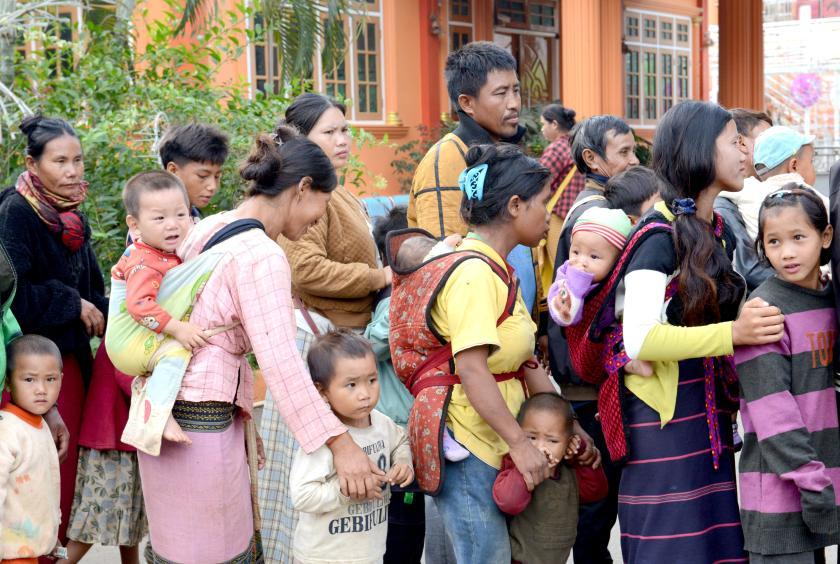
The current situation has left children vulnerable to being targeted in attacks, forcibly recruited, unlawfully detained, or coerced into child marriage. The instability caused by the COVID-19 pandemic and political changes has not only disrupted their education and dreams but also poses a severe risk to the country’s future economic productivity.
According to the United Nations Office for the Coordination of Humanitarian Affairs (UNOCHA), there are plans to provide educational assistance to 1.3 million children in Myanmar in 2025. However, funding remains critically low. Of the $96 million required for education in 2024, only $4.8 million was secured. This funding gap has severely hindered efforts to support vulnerable populations, including children.
UNOCHA estimates that 19.9 million people, nearly one-third of Myanmar’s population, require humanitarian aid in 2025, including 6.3 million children and 7.1 million women.
UNICEF also highlights the urgent need for $208 million to support children affected by conflict. The rising number of displaced families and disruption of essential services have increased the risk of vaccine-preventable diseases and malnutrition among children, pregnant women, and nursing mothers.
Myanmar already has the highest child mortality rate under five years old in Southeast Asia. Additionally, it ranks among the countries with the largest number of children who miss critical vaccinations. Displacement and inflation have further exacerbated access to basic needs like food, clean water, and healthcare, leaving families in dire conditions.
In 2024, nearly 18.6 million people in Myanmar required humanitarian assistance, including over two million internally displaced persons. Despite efforts, the year faced significant challenges due to funding shortages, affecting vital humanitarian programs.
UNICEF launched a relief program on December 12, 2023, aiming to provide lifesaving support and essential services to 3.1 million people, including 2.1 million children. The program focuses on education, mental health support, clean water access, and basic healthcare. However, the initiative requires $208.3 million in funding to achieve its goals.
The escalating humanitarian crisis underscores the urgent need for international support to address the growing needs of children and vulnerable communities in Myanmar.