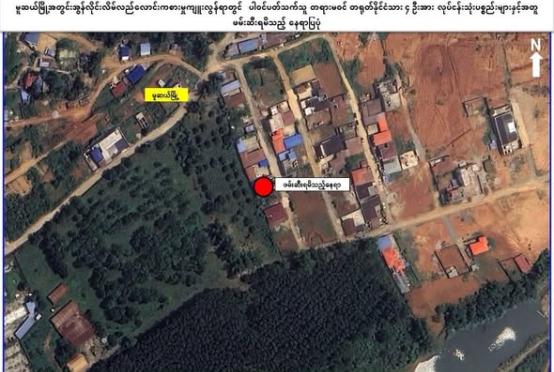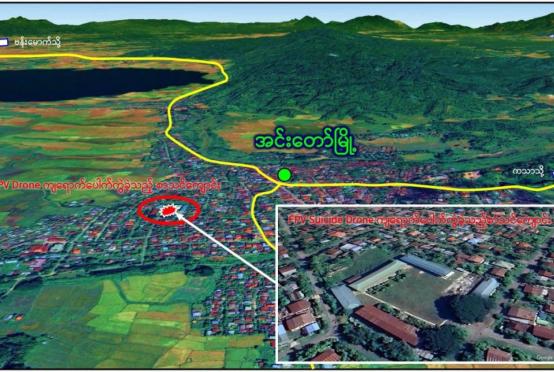

The Tatmadaw has fully recaptured and regained control of Mawtaung town in Tanintharyi Township, Myeik District, Tanintharyi Region, which had been temporarily occupied by the KNU, KNLA and PDF insurgent groups, according to sources.
The insurgent groups launched large-scale attacks against security forces stationed in Mawtaung town. The Tatmadaw resisted the assaults in an effort to prevent the town from falling into enemy hands. However, due to the increasing strength of the enemy forces, the growing number of casualties among officers and soldiers, and the intention to minimize damage to civilians and their homes, the Tatmadaw conducted a systematic tactical withdrawal in stages. As a result, Mawtaung town temporarily fell under the control of the terrorist insurgent groups on November 14, 2025.
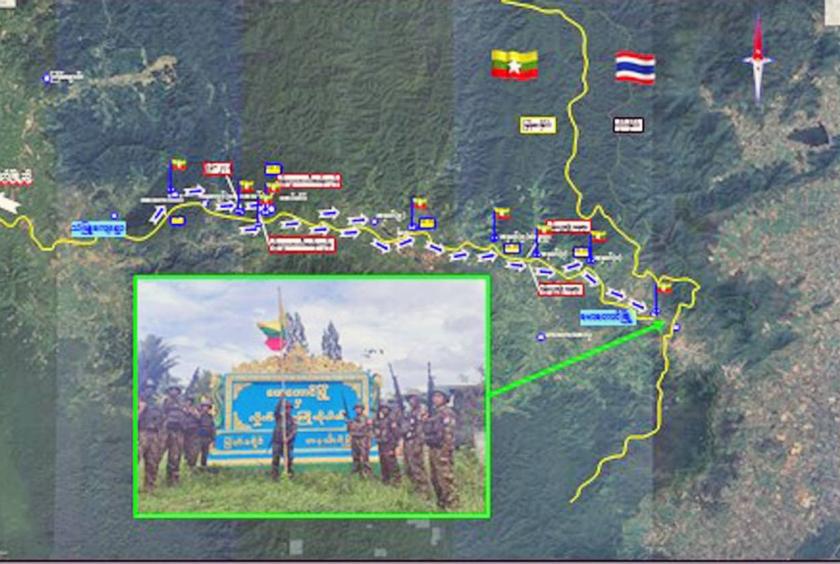
To regain control of Mawtaung and reopen the Tanintharyi–Yephyu–Thein Khun–Thae Phyu–Mawtaung road, military units reorganized and carried out the necessary preparations before launching a counteroffensive on May 5, 2026. During the operation, Point-271 hill, which had been used as a temporary enemy base, was recaptured on May 9. Two enemy defensive positions near Phaung Seik Village were retaken on May 12, followed by the recapture of Phaung Seik Village on May 13, None Pwar Village on May 15, Aha Mhat Ngar Village on May 16, Aha Mhat Thone Village on May 17, and Aha Mhat Thit Village on May 18. At 4 pm on May 19, the Tatmadaw successfully regained full control of Mawtaung town.
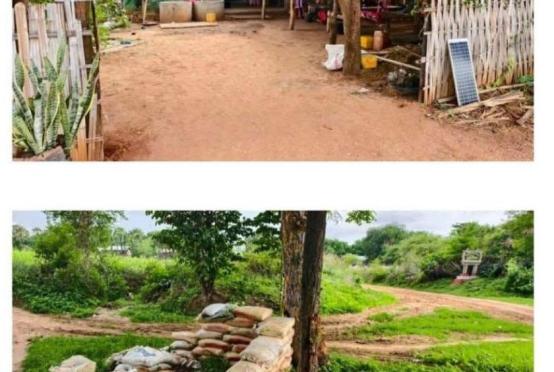
While retreating, KNU, KNLA and PDF militants detonated mines on No. 8 and No. 9 bridges, disregarding the interests and safety of local residents.
Throughout the operation, the Tatmadaw conducted a total of 207 major and minor engagements against the insurgents while systematically clearing and securing Mawtaung town and surrounding areas. During the clashes, 24 enemy bodies, 25 weapons, ammunition and related equipment were seized.
During their temporary occupation of Mawtaung, the militant groups reportedly used government offices, hospitals, schools, religious buildings and civilian homes as defensive positions, disrupted government administrative functions, and planted mines on public roads and bridges. The insurgent groups also allegedly carried out attacks on key trade routes, infrastructure and economic zones in border areas, disrupting the flow of goods between the two countries and causing socio-economic hardships for local communities. In addition, they were accused of illegally extracting natural resources from the Mawtaung–Kyaing Chaung area and smuggling them abroad, resulting in losses to state revenue.
Sources also stated that the KNU, KNLA and PDF insurgent groups exploited instability in border areas to engage in transnational crimes including drug trafficking, human trafficking, arms smuggling and online fraud, affecting border stability and bilateral trade. Due to the armed conflict, local residents suffered economic and social losses, experienced the impacts of war, and were forced to temporarily relocate to safer areas.
The Tatmadaw is currently working to ensure the safe return of displaced residents to Mawtaung, restore government administrative mechanisms as quickly as possible, and prioritize the clearance of landmines planted by insurgents. Damaged schools will reportedly be repaired to enable students to resume their education.
In addition, hospitals and clinics are expected to reopen to provide healthcare services for local residents, while government offices, religious buildings and homes will be repaired in cooperation with local ethnic communities. Security forces will continue counter-terrorism operations aimed at eliminating insurgent groups operating in Tanintharyi Region.