
Falam, Chin State - A total of 108 schools have resumed operations in Falam Township, Chin State, with 1,477 basic education students currently attending classes, according to official information.
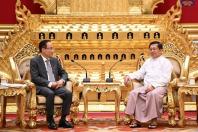
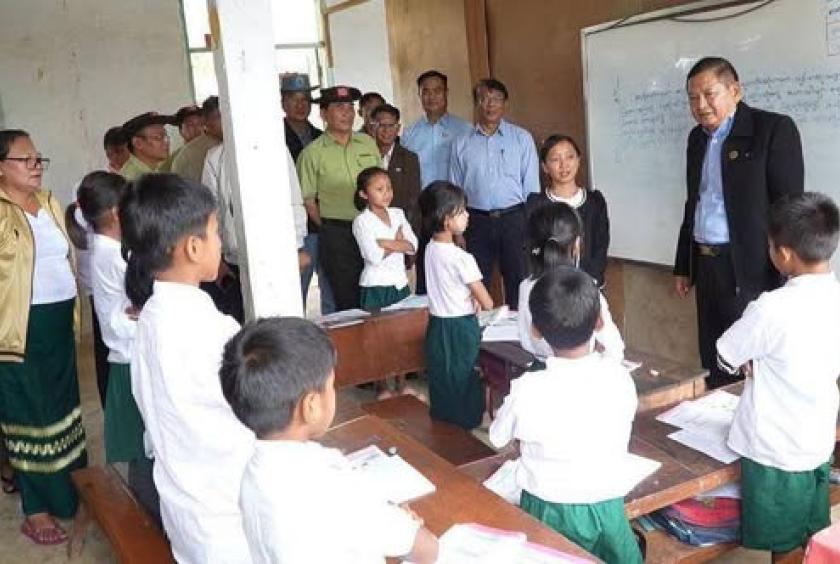
On July 1, Deputy Minister for Construction U Myo Myint, accompanied by members of the Chin State Rehabilitation and Reconstruction Committee, visited No. 2 Basic Education High School in Falam.
During the visit, the school's principal reported that the school is operating with 31 staff members, including 25 teachers and six education personnel, and is currently providing education to 134 students. The principal also briefed the delegation on the school's current teaching situation and operational needs.
Officials said that across Falam Township, 108 schools are now open, with 273 teachers providing education to 1,477 students.
As of July 1, education activities have also resumed in neighboring townships. In Tedim Township, 109 schools are operating with 685 teachers, serving 12,157 basic education students and 64 vocational students enrolled in industrial, agricultural, and livestock training programs, bringing the total number of students to 12,221. Meanwhile, 55 schools in Tonzang Township are open, with 276 teachers educating 3,918 basic education students.
The deputy minister and his delegation also observed the issuance of National Registration Cards (NRCs) and Unique Identification (UID) numbers to students under the La Min Project, part of the government's 100-Day Plan implemented by the Ministry of Immigration and Population. During the visit, NRCs were presented to students.
Later, the delegation met with members of state, district, and township rehabilitation and reconstruction committees, religious leaders, pastors, community elders, and departmental officials to discuss ongoing reconstruction efforts in Falam.
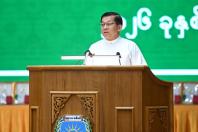
Speaking at the meeting, Deputy Minister U Myo Myint emphasized the importance of maintaining peace and stability in local communities to support rehabilitation and development. He called for continued cooperation among local residents, religious leaders, community representatives, and government officials to accelerate reconstruction projects and promote long-term regional development.