
Myanmar began generating 500 megawatts of electricity from a new LNG power plant on January 14, 2026, raising daily output to about 3,400 MW (60,000 MWh) and allowing authorities to provide electricity for longer hours, Union Minister for Electric Power U Nyan Tun said.
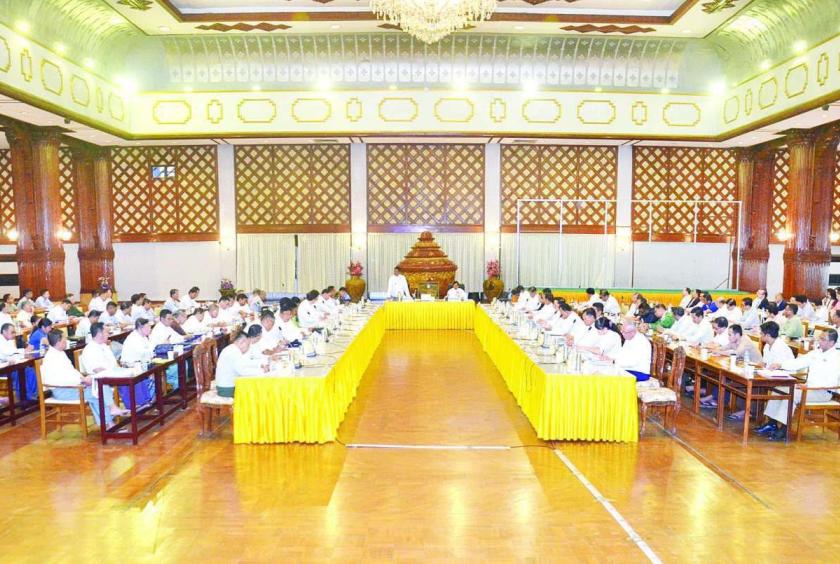
Speaking at a January 31 coordination meeting in Yangon, the minister said the ministry operates 32 hydropower plants, 24 gas-fired plants, two coal plants, and 12 solar plants with a combined installed capacity of 6,725 MW. In practice, output had fallen to around 3,000 MW due to damage to power lines and substations and declining domestic gas supply.
To address shortages, the government fast-tracked the 500 MW LNG project despite higher costs, aiming to ensure uninterrupted power for industrial zones and boost productivity. With the additional supply, load-shedding has been largely suspended where possible.
About 70.43% of the population currently has access to electricity, with around 6.9 million consumers. Household tariffs remain unchanged and are subsidized by the government. A new “economic rate” will be introduced for industrial and business users to balance generation costs while guaranteeing reliable power for factories and businesses.
Officials said stable electricity would help factories run continuously, increase output, create jobs, and reduce reliance on more expensive energy sources. Plans for power distribution to Yangon’s industrial zones and special economic zones were also discussed at the meeting, attended by government officials and business representatives.