
The Ministry of Electricity and Energy has announced plans to expand and upgrade existing refineries to enable the purchase of crude oil and its processing into fuel, with the aim of helping reduce fuel prices.
Global fuel markets have been affected by ongoing conflicts in the Middle East, including disruptions around the Strait of Hormuz—one of the world’s key oil transit routes—leading to rising fuel prices and related challenges.
The government stated that it has been maintaining a steady fuel supply through continuous coordination and oversight, ensuring regular distribution and sales. It also noted that, through systematic management and usage, fuel reserves can now be maintained for up to 60 days. Additionally, efforts have been made to strengthen energy security through negotiations with partner countries, resulting in agreements to import a broader range of petroleum products alongside fuel.
The statement said that despite the increase in global fuel prices, the government is monitoring domestic fuel prices to ensure that they do not increase too much. The country's fuel prices are found to be reasonable compared to Southeast Asian countries. In addition, the import of regular diesel fuel for use in freight vehicles is exempt from taxes, so it can be sold at 5,752 kyats (about 1.423 USD) per litre. If we compare the increase in crude oil prices with the increase in fuel prices, we will see that the price of fuel has increased sharply, although the percentage increase in the price of raw crude oil is small.
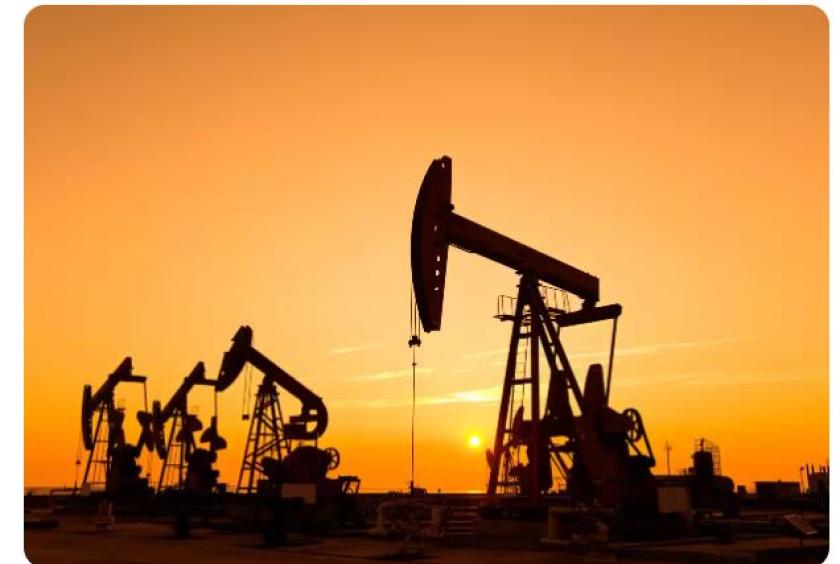
Therefore, if we can purchase crude oil and refine it ourselves, the people will be able to use fuel at a cheaper price. Therefore, the government is planning to expand new oil refineries and is also upgrading old ones. In addition, if sufficient crude oil is produced, the people will be free from problems related to fuel, so the government is also making efforts to increase the production of crude oil in various ways.
The government is distributing domestically produced fuel directly to the consumers, selling motorcycles, three-wheelers and some kinds of vehicles at 17,252 kyats per gallon of RON 68, 17,707 kyats per gallon of RON 72, and diesel to farmers at 10,000 kyats per gallon, and has already made arrangements to continue selling it.
In the current situation, the public is cooperating by providing advice with a mature, sympathetic, and optimistic spirit, sharing knowledge and information on social media, reporting to call centers as soon as they see behaviors that harm the public, and the media is also being careful not to publish and distribute headlines that may mislead or cause panic among the public. Therefore, the fuel distribution and sales process has reached a stable state. Therefore, the public should not buy and stock up in line for fear of fuel shortages, and by buying and using only what is needed, it will save time and effort for each person, as well as reduce the country's foreign exchange expenditure. Therefore, the Ministry of Electricity and Energy has issued a statement asking people to participate more in the processes being implemented by the ministry.