

The death toll from the powerful earthquake has risen to 3,835, with over 5,000 injured, according to reports in state-run newspapers.
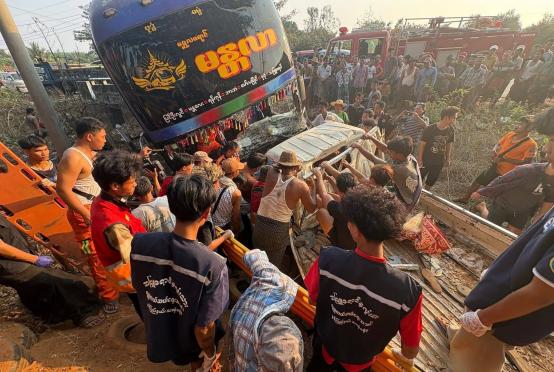
In the six severely affected regions and states, as of May 1, there were 3,835 fatalities, 5,105 injured, and 105 people still missing. Rescue teams have successfully retrieved 653 survivors trapped under collapsed buildings and recovered 779 bodies. The Myanmar Fire Service Department, along with domestic and international rescue teams, continue to carry out search and rescue operations in affected areas as needed.
Even a month after the earthquake, two out of every five people are still suffering from psychological trauma, according to a report by U-Report Myanmar.
The findings were based on a poll involving some youths from the earthquake-hit areas, revealing that mental health challenges remain a critical issue for survivors more than a month after the disaster.
"I’m still traumatized by the earthquake. At night, I can’t sleep properly. Even the slightest noise makes me look for an escape route. It’s like this whether the quake is big or small," said a resident of Mandalay.
According to responses collected by U-Report Myanmar, one in three people in the affected areas is in urgent need of psychological support.
Similarly, a survey conducted in Sagaing found that one in five people has been left homeless and is now living outdoors, as reported by U-Report Myanmar.
The loss of homes has severely impacted individuals' mental well-being and livelihoods, forcing them to face an uncertain future. The voices captured by U-Report Myanmar highlight the profound and lasting effects of the earthquake.