
Importers engaged in border trade are permitted to obtain import licenses if they have export earnings, and priority is being given to companies importing goods into the country via the Ranong-Kawthaung-Yangon border trade route, according to business sources.
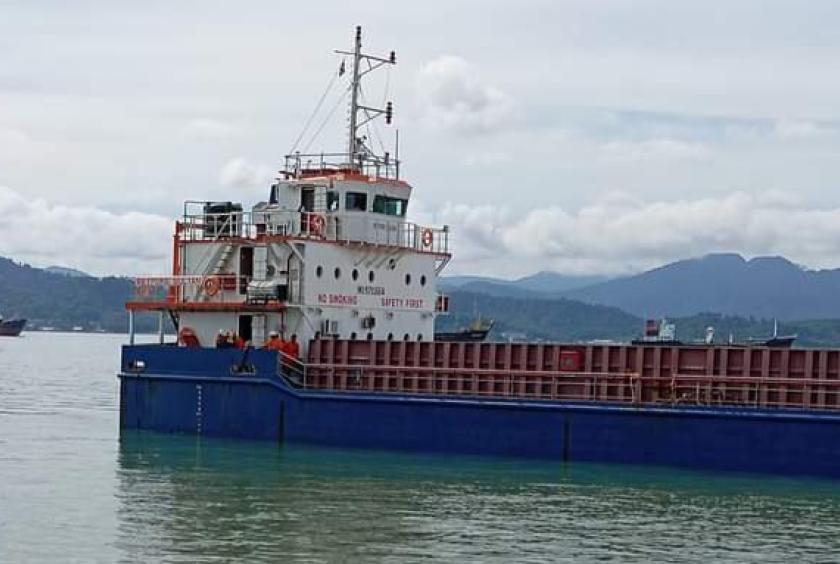
It is understood that importers with export earnings are being granted import licenses, and all goods intended for import require an import license application. Currently, importing goods by ship through the Ranong-Kawthaung-Yangon border trade route is more convenient, as reported by businesses.
Companies importing goods through the Ranong port are being prioritized for import licenses, with sufficient ships available to facilitate the process. Ship owners and goods owners are required to obtain import licenses for legal trade and undergo inspections at checkpoints such as Kawthaung, according to standard procedures.
The ability to transfer export earnings to other companies has created advantages for exporters, while also allowing importers to easily utilize export earnings. This reduces the need to illegally purchase foreign currency, which is expected to stabilize foreign exchange rates. As a result, trade is anticipated to grow, and commodity prices are likely to decrease to some extent.
Additionally, transporting goods by sea is expected to reduce damage to goods and lower transportation costs, according to assessments.
Border trade with neighboring countries is crucial for boosting the national economy and stabilizing commodity prices. Many companies and traders are making efforts to understand and comply with the regulations set by the state in conducting systematic border trade. To combat illicit trade, which is opposed internationally, including in Myanmar-Thailand border trade, the Ministry of Commerce encourages private businesses to operate as responsible entities in accordance with export and import license procedures.
The ease of obtaining import licenses and conducting legal imports is expected to stabilize commodity prices in the market. Exporters can easily sell their earnings, contributing to stable foreign exchange rates, balancing market supply and demand, and stabilizing commodity prices.
Transporting goods via the Ranong-Kawthaung-Yangon route by sea is more cost-effective and safer compared to the Myawaddy route, benefiting traders and consumers alike. Under the Ranong-Kawthaung-Yangon border trade method, those with export earnings are granted import licenses, which is expected to reduce illegal imports and ensure full tax compliance.