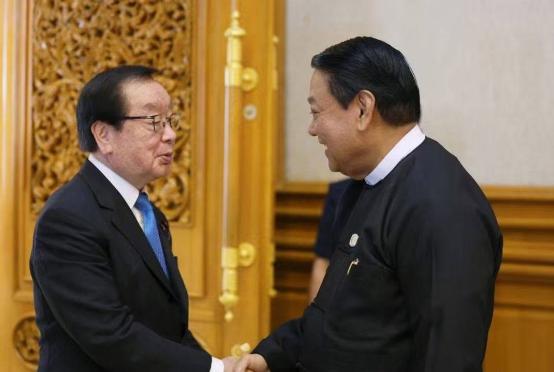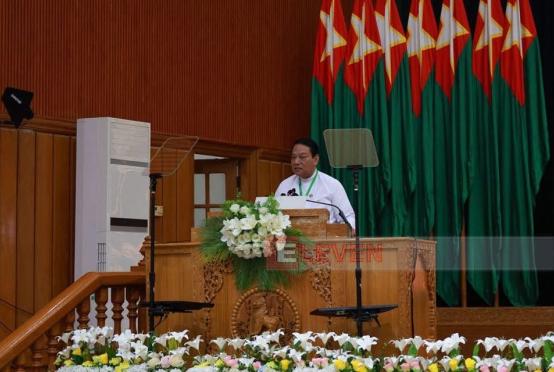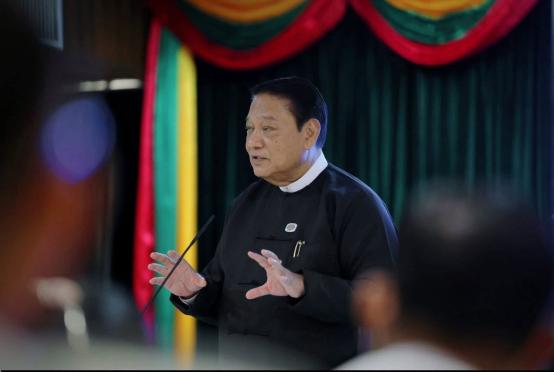

U Ko Ko Gyi, Chairman of the People's Party, clarified that he did not address the issue of increasing the number of conscripts under the people’s military service law during a meeting with the National Solidarity and Peacemaking Negotiation Committee (NSPNC).
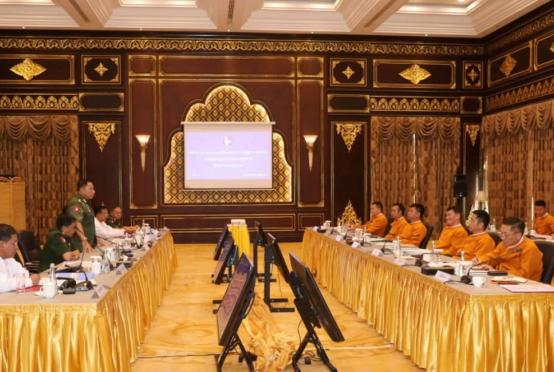
The meeting, held on January 23–24, involved discussions between the NSPNC and political parties' working groups. Regarding reports that the increase in conscription numbers was discussed, U Ko Ko Gyi stated, "What I can guarantee is that I didn’t make any specific comments. What I said was about the current challenges people are facing on the ground regarding the military conscription law. When my photo appeared alongside this news, it was completely opposite—180 degrees—from what I actually said. What I did say was that the impact of this law is quite severe on the ground, and it has created significant fear among the public. Another issue is the replacement process in the conscription list and related matters, which have escalated to involve millions of kyats in bribe. That’s what I actually said."
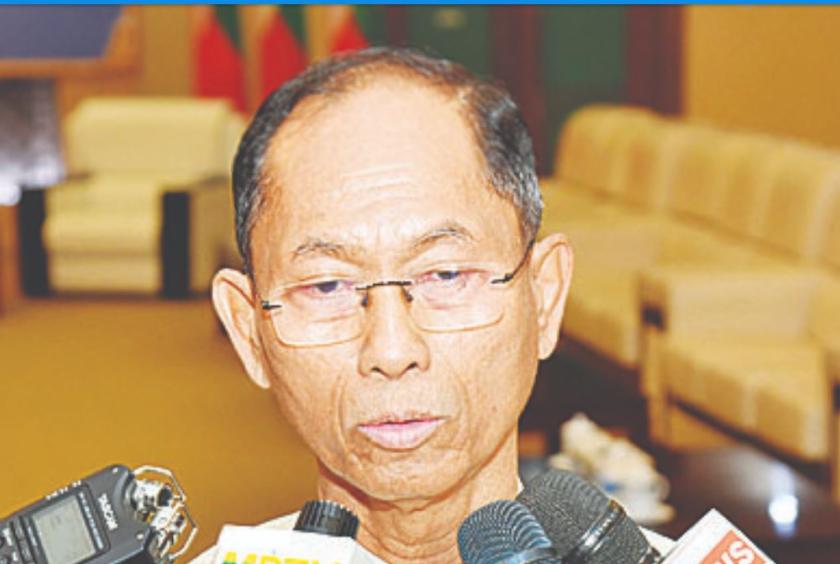
When asked whether any party raised the issue of increasing conscription numbers, U Ko Ko Gyi declined to comment but confirmed, "Dr. Aye Maung was clear that I did not bring it up. I can name those who didn’t raise the issue but prefer not to name those who did."
He also emphasized that the working group of political parties only discussed topics pre-agreed upon before engaging with the NSPNC. The topic of increasing conscription numbers was neither part of their discussions nor included in agreements reached with the NSPNC.
During the meeting, topics such as election planning, reintegrating PDF members into society, and constitutional reforms, including amending Article 261 regarding the appointment of Chief Ministers, were discussed. Over 40 agreements were reached on constitutional amendments, including changes to allow states and regions to elect their Chief Ministers.
On January 26, during a press conference, U Ko Ko Gyi elaborated, "The backbone of the constitution is rooted in democracy and federalism. We've reached agreements on reforms to strengthen federal principles, including granting ethnic minorities greater administrative autonomy."
He also touched on the efforts to reduce the military’s political influence, stating, "We are working towards gradually reducing the role of the military in politics. However, during this period of heightened conflict, some delicate issues need to be handled with care."
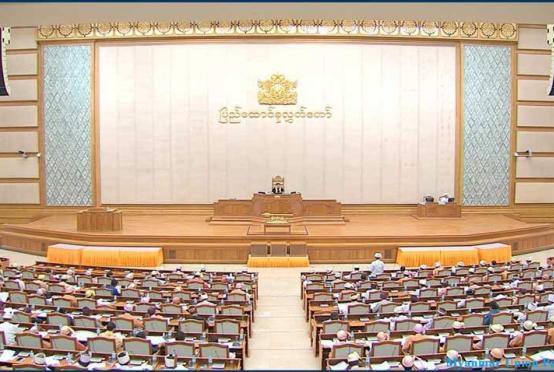
The NSPNC and political parties also discussed amendments to constitutional provisions related to the Election Commission and the Constitutional Tribunal. These proposed changes are expected to be addressed in upcoming parliamentary sessions.