
The number of urban population will increase to around 20 million in 2030 from 15.4 million in 2014, according to the urban survey report, said Union Minister for Construction Han Zaw.
According to McKinsey’s research, the number of population in large cities with more than two million population will double in 2030. For urban development, the government needs to invest around seven billion USD per year as the country requires the total investments of 146 billion US dollars over 20 years.
The first step is to conduct necessary planning for urban expansion along with the modern urban planning system. The second step is to invest in infrastructure projects. The third step is the better administrative system for the urban cities, added the minister.
According to the Word Bank’s report, 56 per cent of migrants move to urban cities due to employment while 38 per cent of migrants move to urban areas to live together with migrant families.
According to the 2014 Nationwide Census, an estimated 15 million out of 51.5 million people are living in the urban areas, indicating that most of Myanmar’s population are still living in rural areas.
These figures may change as 7.1 million rural population are likely to move to the cities by 2050, the World Bank’s report says.
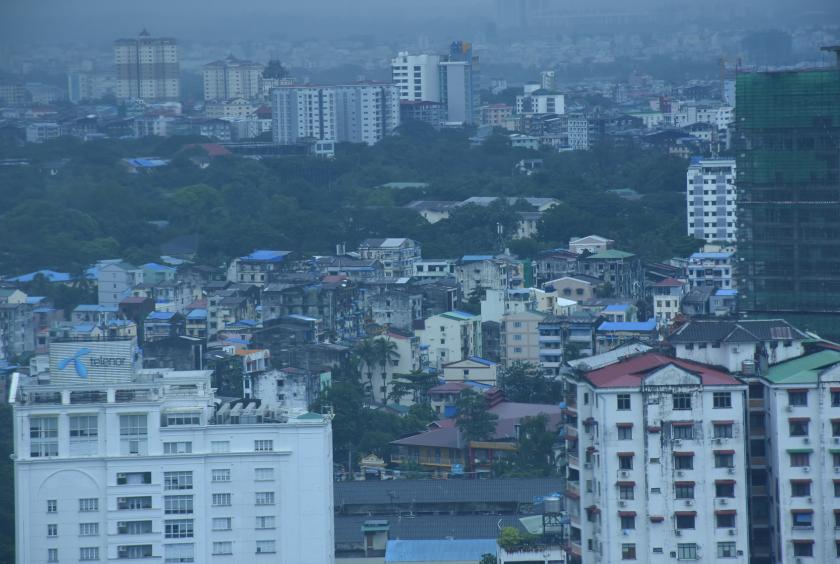
More than five million people are living in Yangon. The The mass migration in the cities is linked to the fact that rural residents are moving to the urban areas, according to the UNFPA, 2017.
For instance, between 2009-2014, Yangon’s 81-per-cent population growth rate is due to the migration. Most migrants moved to hub cities for employment opportunities. Other factors that force the rural population to move to the cities are: economic problems, poverty, lack of landownership and natural disasters.
Urbanization can reduce poverty in urban areas. Poverty significantly declined from 32.2 per cent in 2005 to 14.5 per cent in 2015, according to the World Bank’s poverty report.