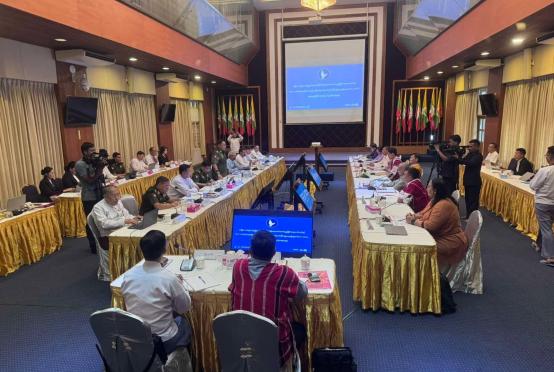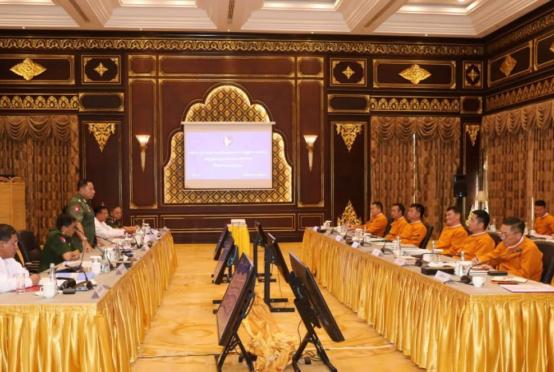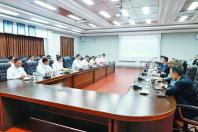

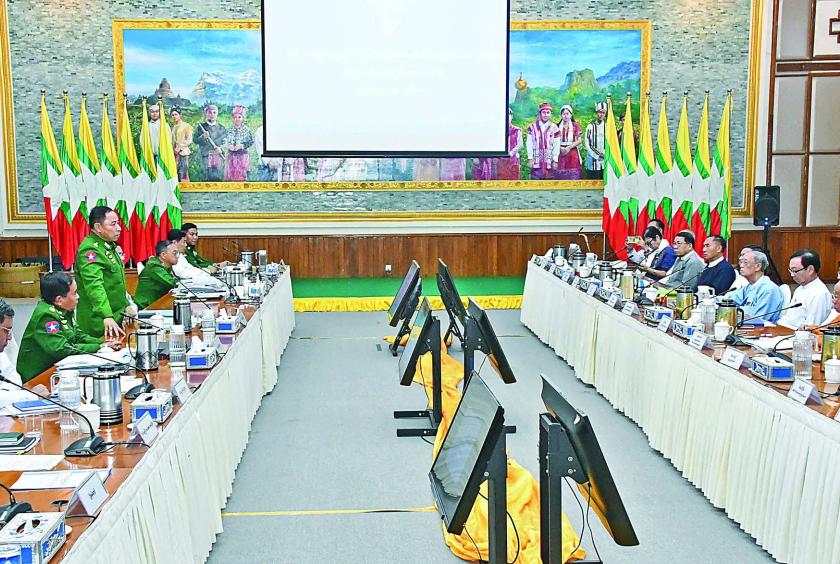
The National Solidarity and Peacemaking Negotiation Committee (NSPNC) and the working group representing political parties concluded a two-day dialogue on the peace process and constitutional matters at the National Solidarity and Peacemaking Centre in Nay Pyi Taw on 20 October.
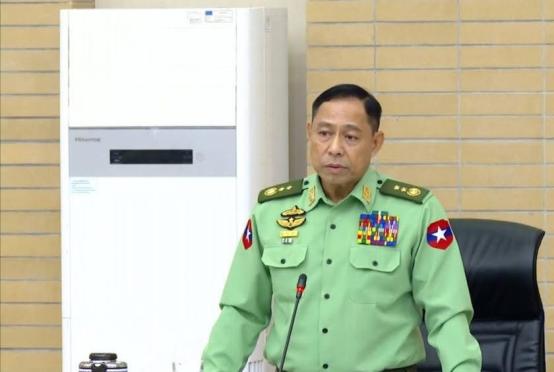
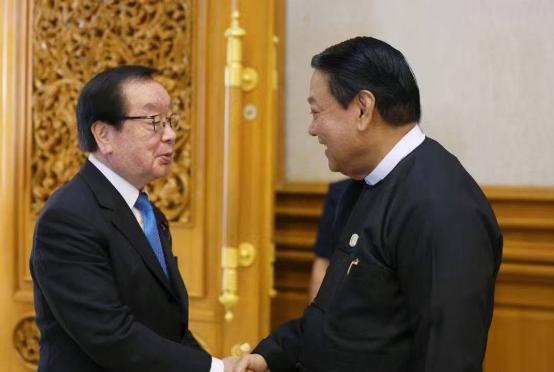
The meeting was attended by Union Minister for Defence and NSPNC Chairman Lt-Gen Yar Pyae, NSPNC Secretary Lt-Gen Min Naing, committee members, and political party delegates led by working group leader Dr Aung Myat Oo.
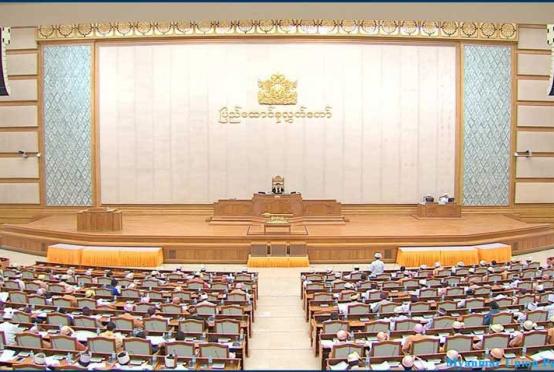
Opening the discussions on 19 October, Lt-Gen Yar Pyae noted that talks with both signatory and non-signatory ethnic armed organisations had produced 43 agreed points to amend the 2008 Constitution, which have been submitted to the Pyidaungsu Hluttaw. He urged political parties to deploy their networks to foster social harmony, counter divisive rhetoric, and support resettlement and livelihood programmes for internally displaced persons, particularly in Kayah, Chin, and Pa-O areas.
Dr Aung Myat Oo welcomed the parties' expanded role beyond constitutional review to include direct engagement in the broader peace process. Delegates discussed mediation strategies, public consultation mechanisms in conflict-affected areas, and steps to build trust between the government, armed groups, and local communities.
On the second day, NSPNC member Lt-Gen Aye Win (Retd) and party representatives focused on democratic and federal principles suited to Myanmar. Discussions covered power sharing across legislative, executive, and judicial branches, with emphasis on balancing a strong Union administration with clear, autonomous authority for region and state governments in local development.
The talks concluded with both sides agreeing on frameworks to enhance the role of political parties in peacebuilding, after which representatives signed the recorded points of common agreement.