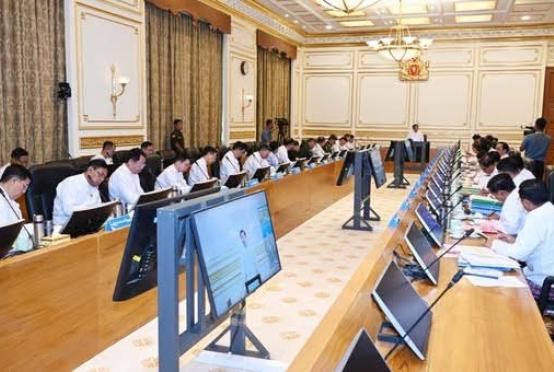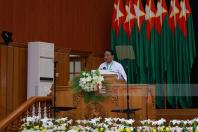

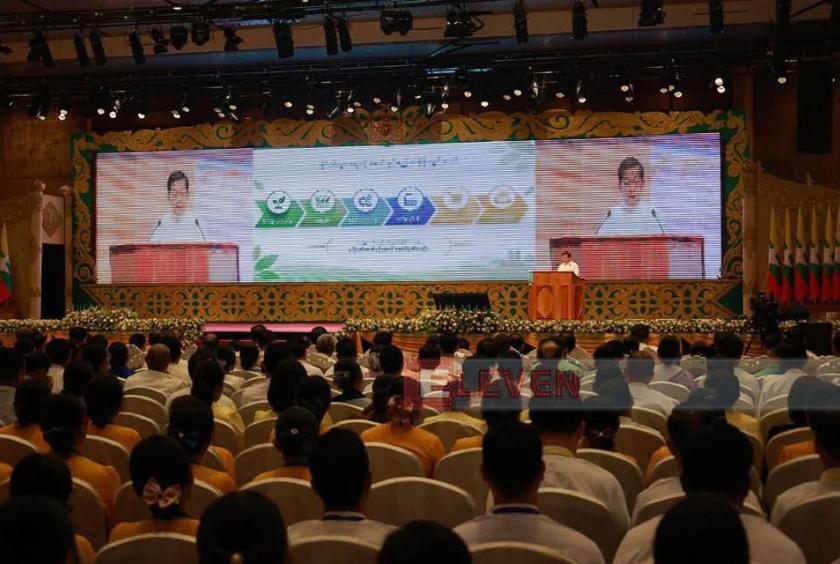
Myanmar could generate an estimated US$4 billion by meeting per-acre crop yield targets and up to US$12 billion by enhancing nationwide cropping intensity, President U Min Aung Hlaing said at a national workshop in Nay Pyi Taw on 21 September.
Speaking at the workshop titled "From Agricultural Development to National Productivity Growth," the President highlighted that rural residents account for approximately 70 per cent of the national population, with over half of them employed in agriculture, livestock, and forestry. Given that about 30 per cent of the population lives in poverty, he stressed that shifting from traditional practices to systematic, high-value agro-processing is vital to lifting rural household incomes and strengthening the national economy.
Highlighting the country's strategic position between China, India, and Bangladesh, the President noted that Myanmar possesses ample arable land, rich natural resources, and favourable climate conditions to supply both domestic and regional food markets. He cited Vietnam’s multi-billion-dollar agricultural export success as an example of what modernized production could achieve, noting that Myanmar exported $4.741 billion in farm produce in the 2024–2025 financial year and $3.743 billion in 2025–2026.
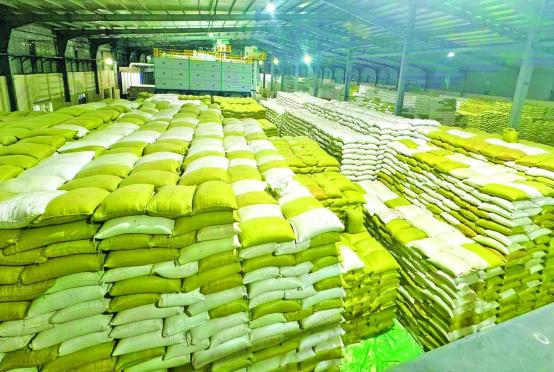
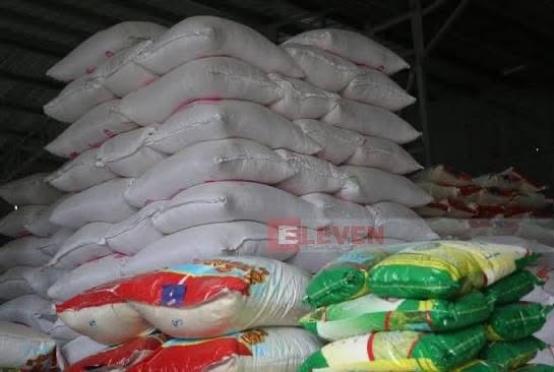
He urged stakeholders to modernize traditional farming into an integrated value chain spanning production, agro-industrial processing, and exports, which will help rein in rising local food prices caused by high production costs and supply gaps. Addressing future global food shortages, he called for comprehensive upgrades across storage, milling, and packaging—particularly for premium varieties like Pawsan rice—to establish Myanmar as a competitive regional food supplier.