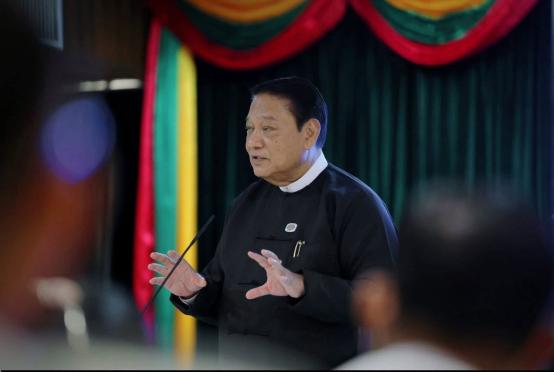

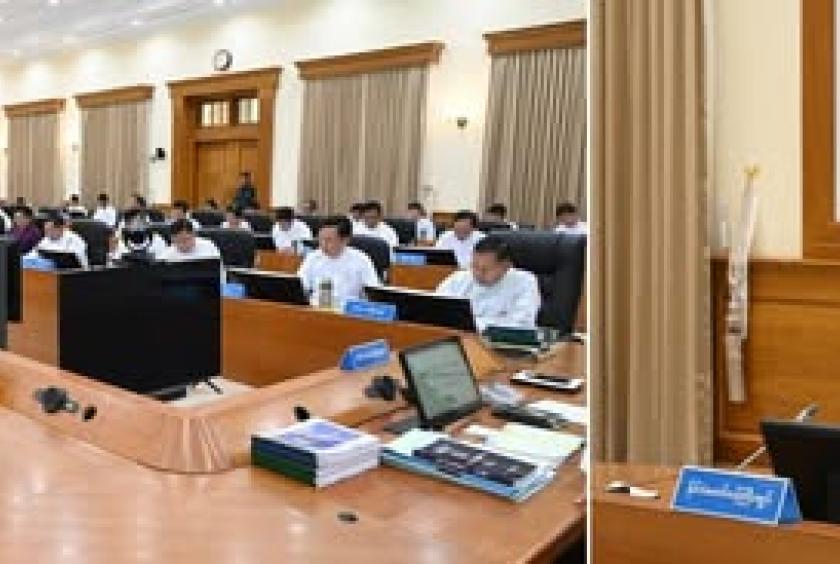
State Administration Council Chairman and Prime Minister Senior General Min Aung Hlaing stated that the Constitution contains provisions emphasizing the importance of elections, especially under parliamentary contexts, and that elections can be successfully held when laws are interpreted accordingly.
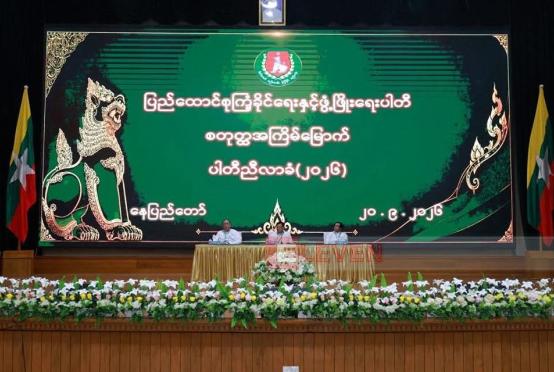
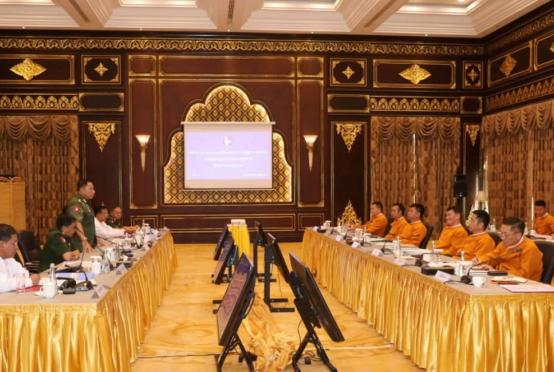
On May 19, during a coordination meeting with the State Administration Council (SAC) government in Nay Pyi Taw, the Senior General reiterated that, in accordance with the 2008 Constitution, they have taken on national responsibilities and must continue progressing toward a multi-party democratic system. He emphasized that elections should be held as originally intended, striving for nationwide implementation despite previous challenges during the 2010, 2015, and 2020 general elections.
He highlighted the importance of fair and successful elections and pointed to specific constitutional provisions (Articles 85, 128, and 155) that support the election process. He noted that transitioning to an elected government is ultimately best for the country and can be executed based on decisions by the National Defence and Security Council.
The Prime Minister also addressed the separation of powers and the administrative structure from the village level up to the states and regions. He stressed that administrative officials must remain politically neutral, be competent, and have a solid understanding of governance, law, and regional development.
Citing alleged election fraud in 2020, he defended the military’s takeover as constitutional and stated that the SAC government has worked to appoint both military and civilian officials fairly. He claimed their administration had earnestly carried out its duties.
Reflecting on Myanmar’s history, he noted recurring educational and economic weaknesses that contributed to political instability. He argued that the 2008 Constitution was drafted to maintain national unity and that it grants federal-style powers to states and regions.
He reviewed past democratic periods, mentioning internal disputes within ruling parties, the signing of the Nationwide Ceasefire Agreement (NCA) under the first democratic government, and the opposition party’s rejection of the NCA at the time. During the second democratic government, he said the military cooperated, though important security meetings were neglected and several legal procedures were mishandled.
He also discussed Myanmar’s financial challenges under democratic governments, pointing out increased foreign debt and fluctuating school enrollment rates, especially during COVID-19.
On peace efforts, he recalled the 1989 peace-building efforts and attempts to continue ceasefire agreements, noting the historical difficulties in achieving lasting peace.
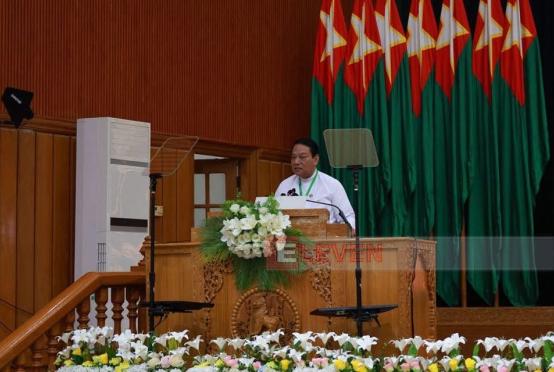
Later in the meeting, regional leaders presented updates on development, administration, economy, and social sectors. The first day of the coordination meeting concluded in the evening.
High-ranking SAC members, union ministers, and regional chief ministers were present at the meeting.