

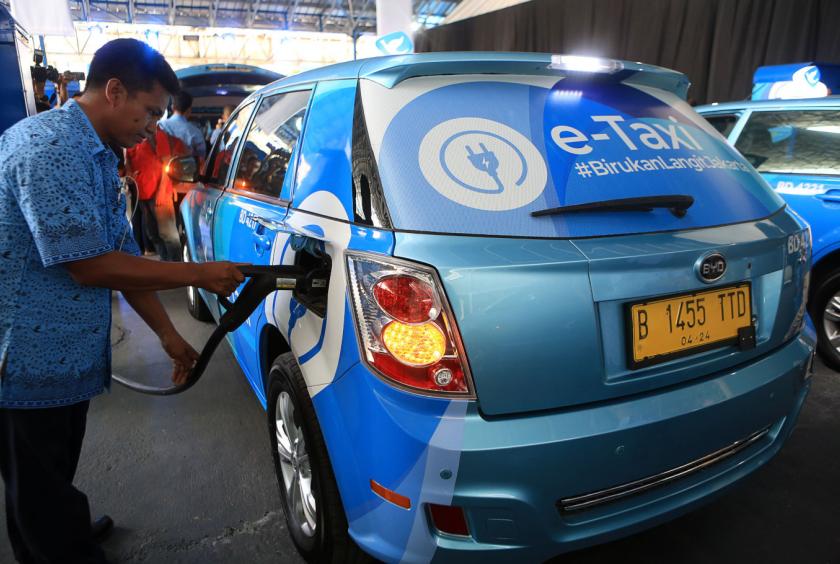
If there is a region that could use a mobility revolution, it is Southeast Asia. Much of the area grapples with persistent congestion, expanding environmental concerns and surging oil demand to serve transit needs. Electric vehicles could help make a dramatic change.
Consider that in 2018, 1.1 percent of all new passenger cars sold in Europe were battery powered electric vehicles. This number is expected to grow to around 28 percent of light vehicle sales by 2030, according to Bain analysis.
Yet, seeing an electric vehicle on the streets of Singapore or Thailand is rare. Undoubtedly, the economy supporting electrification, mobility, charging and other services in Southeast Asia eventually will be huge. The region’s annual new investment in passenger electric vehicles will grow to US$6 billion by 2030, according to Bain estimates, and another $500 million in new charging infra...