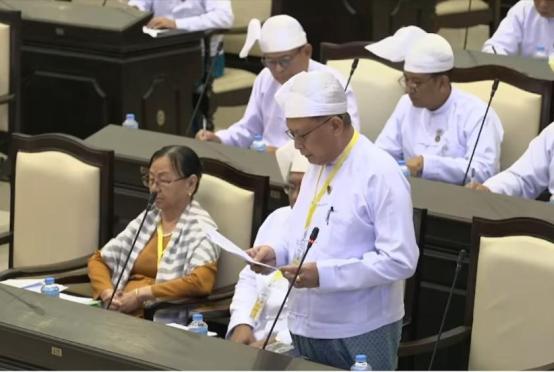

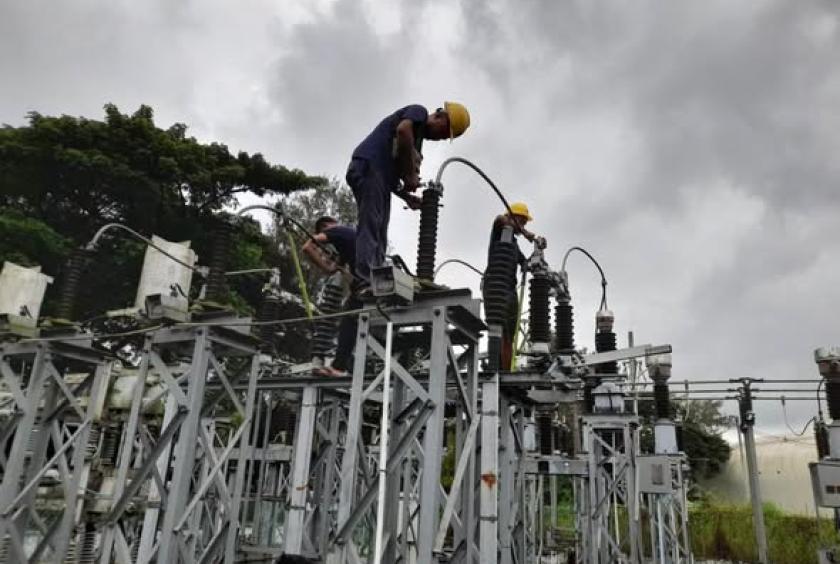
Ministry of Electricity and Energy plans to implement 17 projects in the electricity sector and 23 projects in the energy sector in response to the country’s growing annual electricity demand, according to Permanent Secretary of the Ministry U Htet Shan Phyo.
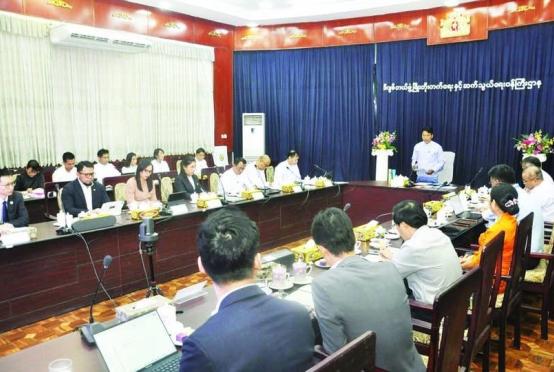
The remarks were made in a video documentary titled “Efforts for the Public” broadcast on MRTV on May 27.
“We currently have a total of 40 projects under implementation, including 17 projects in the electricity sector and 23 projects in the energy sector,” U Htet Shan Phyo said.
He added that Myanmar’s annual electricity demand has been increasing at a rate of between 9 percent and 13 percent each year. To meet the rising demand and expand electricity distribution nationwide, the ministry is planning and implementing several power generation projects.
Among the projects to be carried out are the Thapyaywa Solar Project in Thazi Township, the Shwe Myo Solar Project in Nay Pyi Taw, and the Kanyin Hydropower Project in Myanaung Township.
In a similar video, Minister of Electricity and Energy U Ko Ko Lwin also called on entrepreneurs involved in the projects to discuss them.
"There are projects that are under construction. We call on individual organizations and entrepreneurs involved in these projects to discuss them and the ministry supports them as needed," the minister said.
The Ministry of Electricity and Energy announced on May 23 that the demand for electricity is increasing by about 15 percent every year, and the country is struggling to balance the load.
Some of the projects that the state has implemented to increase electricity production have not been implemented due to various obstacles and obstacles, and only about 70 percent of the public's needs can be produced. On the other hand, the public's demand is increasing by about 15 percent every year, and the country is struggling to balance the load. It is reported that about 3.5 percent of electricity production is recycled at power plants and substations, and about 4.5 percent is lost automatically along long transmission lines, leaving about 8 percent of production inherently degraded by the time it reaches consumers.