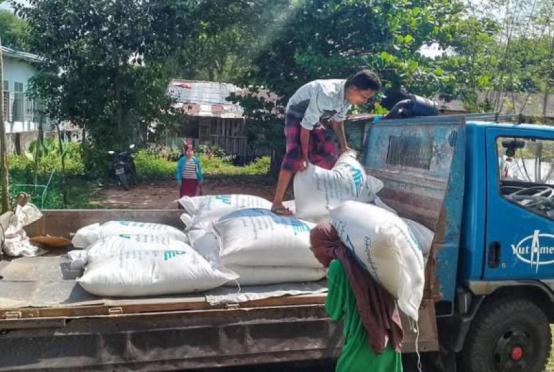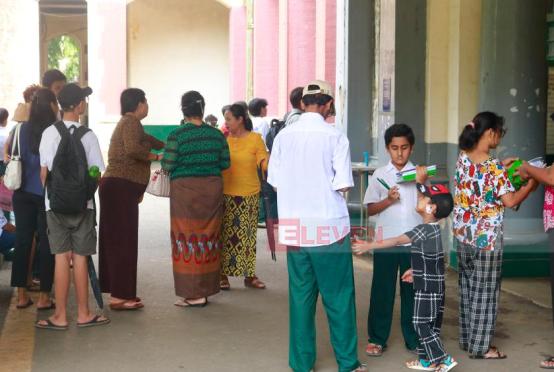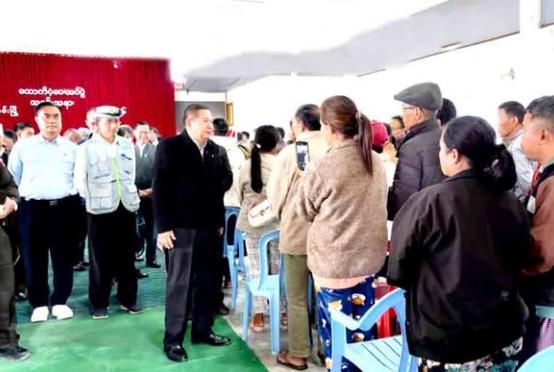

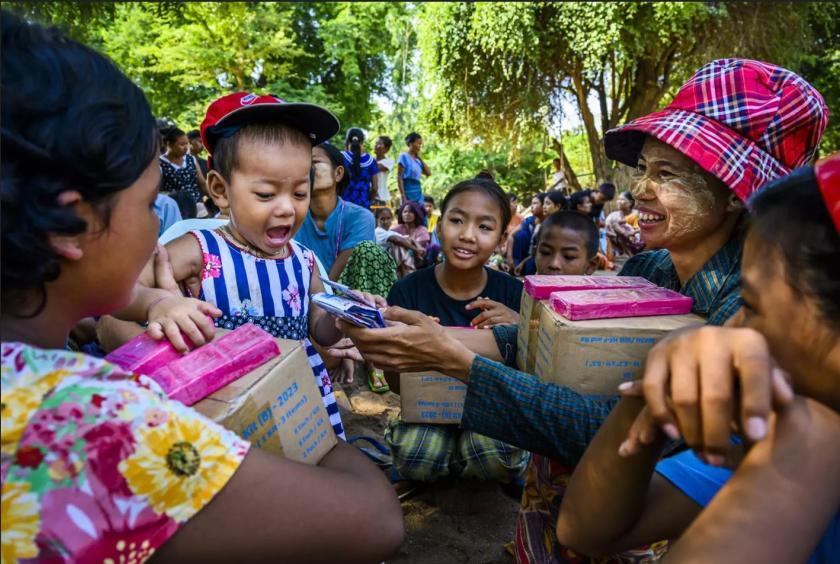
UNICEF Myanmar has reported that approximately 19.9 million people in Myanmar, including 6.4 million children, require urgent humanitarian assistance due to the country’s ongoing conflicts. This information was included in UNICEF Myanmar’s report, Six Points to Watch in Myanmar in 2025.
Myanmar has been experiencing severe conflicts for four consecutive years as of 2025, with peace prospects remaining bleak. About 35% of the population is in desperate need of humanitarian aid, with children making up roughly one-third of those affected. UNICEF Myanmar has warned that this extensive need highlights the significant harm to civilians, especially children, and poses a substantial threat to Myanmar’s future stability and development.
Nearly five million children have lost access to education due to conflicts, insecurity, displacement, and disrupted emergency services. If the situation persists, an entire generation risks losing developmental opportunities, severely impacting the country's future.
Over one million children in Myanmar lack essential vaccinations, making Myanmar one of the countries with the highest number of unvaccinated children globally. Ensuring the safe mobility of healthcare workers and timely funding is crucial to protect these children in 2025.
Conflicts, rising costs of basic commodities, disrupted livelihoods, and severe weather events have exacerbated food insecurity. Over half a million children are facing acute malnutrition, with many at risk of death due to a lack of emergency support.
Children have been disproportionately affected by landmines and explosive remnants of war. Between January and September 2024 alone, at least 250 children were killed or injured, the highest number globally.
Myanmar may hold its first elections since the 2021 political upheaval in 2025. However, escalating conflicts, record-high displacement of over 3.5 million people, competing territorial controls, and conflicting perspectives among stakeholders have created an extremely complex and uncertain environment. Pre- and post-election tensions could worsen the humanitarian situation and further endanger civilians.
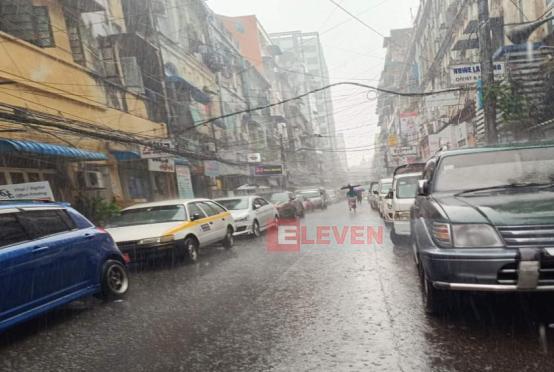
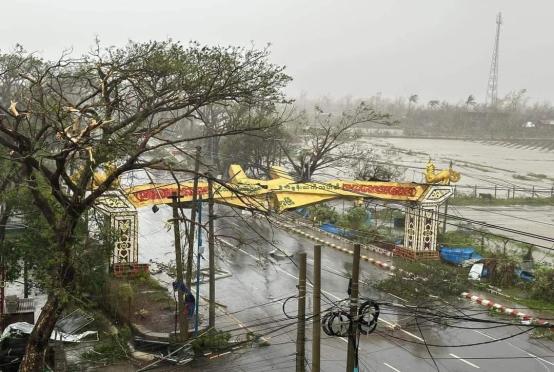
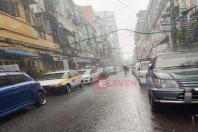
Frequent natural disasters, including Cyclone Mocha in 2023 and Cyclone Yagi in 2024, along with annual monsoon floods, have severely damaged water supply systems. Displaced communities and vulnerable populations often rely on contaminated water sources, leading to outbreaks of waterborne diseases such as cholera and severe diarrhea, significantly affecting both densely populated areas like Yangon and remote regions like Rakhine.
UNICEF Myanmar emphasizes that these challenges endanger the wellbeing of millions, particularly children, and threaten to undermine the country’s long-term stability and development prospects unless immediate humanitarian interventions are made.