
A total of 383 civilians and civil servants were killed, and 516 infrastructure facilities destroyed within a six-month period, according to Commander-in-Chief of Defence Services, Senior General Min Aung Hlaing.
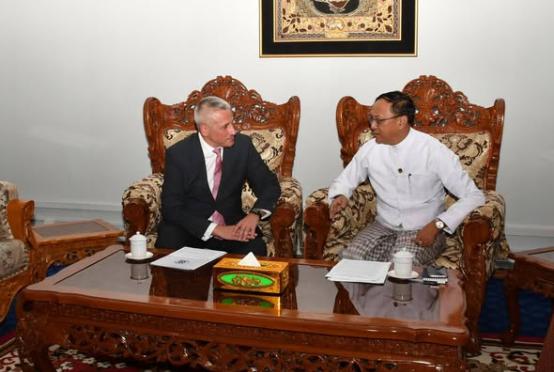
On January 31, at the National Defense and Security Council meeting (1/2025) held at the meeting hall of the State Administration Council (SAC) Chairman’s Office in Nay Pyi Taw, Acting President and Commander-in-Chief of the Defence Services Senior General Min Aung Hlaing made the following statement while explaining the work done by the State Administration Council during the six months since it took over its responsibilities and the needs to continue.
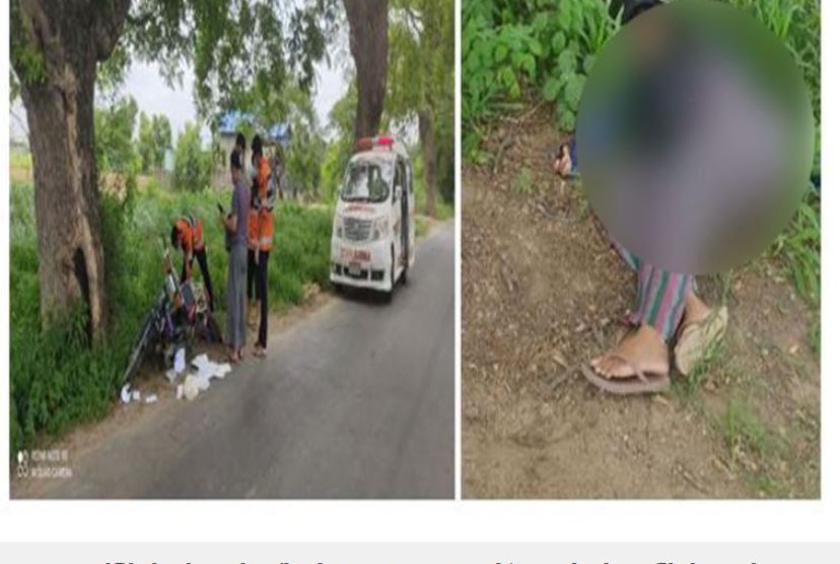
Regarding the first of the five-point roadmap of the State Administration Council, which is “We will work hard to successfully hold a free and fair multi-party democratic general election, ensure peace and stability throughout the Union and ensure full rule of law,” some ethnic armed groups and PDFs have been carrying out violent attacks on towns and villages and destroying the lives and property of the people, The Commander-in-Chief of the Defence Services said that the armed groups are taking advantage of the situation and trying to expand their territory. In the past six months, 383 civilians and civil servants have been killed and 516 infrastructure facilities for the country’s development, including education, health and residential buildings, have been destroyed.
During the reporting period, KIA insurgents, in collaboration with PDFs, carried out attacks in the China-Myanmar border area, Bhamo area, and Indaw area in upper Sagaing Region, KNU insurgents, in collaboration with PDFs, carried out attacks Katai Ti area, Mae Pali area, Anan Kwin area, and Kawkareik area in Kayin State, AA insurgents, in collaboration with PDFs, carried out attacks in Magway Region-Rakhine State border, Bago Region-Rakhine State border and the border areas of Ayeyawady Region and Rakhine State, and the CNF insurgents, in collaboration with the PDFs, carried out attacks on Mindat, Kanpetlet and Falam towns in Chin State, the Commander-in-Chief of the Defence Services said.
The Commander-in-Chief of the Defence Services said that the terrorist acts were initiated by some former parliamentarians who had committed vote fraud and used public sentiment to incite the election results of the 2020 general election to be annulled. The EAOs also took advantage of the country’s political crisis to carry out attacks on ethnic and political grounds. They promoted the extremist ideas of some EAOs and their areas of operation. They also collaborated with exile media outlets from home and abroad that did not think of the interests of the state and spread false news. The timing and balance of the attacks were seen to have led to widespread violence throughout the country, the Commander-in-Chief of the Defence Services said.
In addition, they have threatened, coerced and pressured the public and civil servants, which has led to increased violence across the country, causing the loss of lives, homes, property and many public buildings. Last year, the KNPP and PDF groups attacked Loikaw, damaging university buildings in Loikaw and forcing the school to close. The attacks damaged 44 buildings in Loikaw University and will cost about 9 billion kyats to repair them. If the remaining university, schools, markets and public properties are taken into account, the cost will be many billions, the Commander-in-Chief of the Defence Services said.
The Commander-in-Chief of the Defence Services said that the only people capable of disrupting stability and retarding development are the locals and local terrorists living in the region. The people across the country condemn such illegal and violent acts by armed insurgent groups, and the Tatmadaw is working with the local people who want regional stability and peace to stop them.
The State Administration Council is implementing a public security system to ensure that each person and relevant security officials are aware of security issues. Since ward/village tract-level public security and counter-terrorism teams have been formed, the people need to provide information so that public security activities can be carried out systematically for public security and regional stability, the Commander-in-Chief of the Defence Services said.