
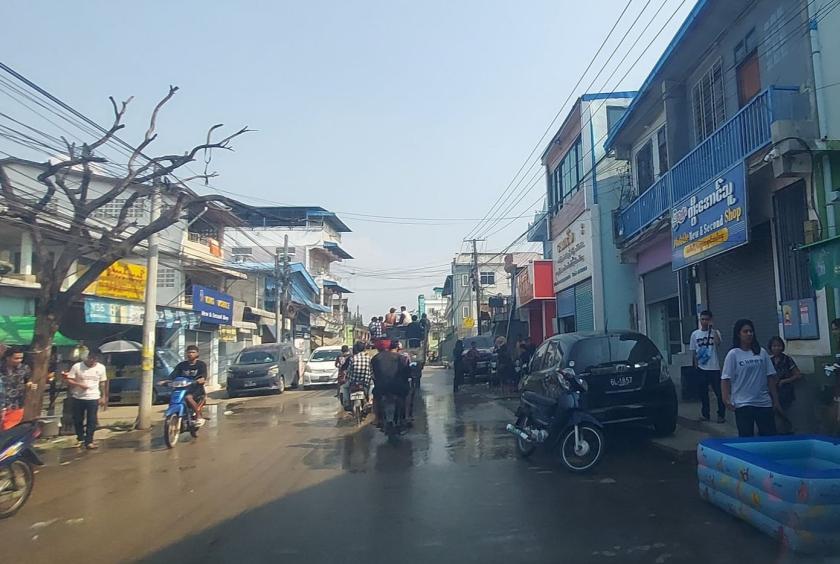
In Myawady, the Thai Baht exchange rate has hit a record high, causing the prices of Thai products to more than double. Due to travel difficulties, border trade has also slowed down.
A merchant explained that although there is no change when buying with Thai Baht, the exchange rate affects the prices when converting Myanmar Kyat to Baht.
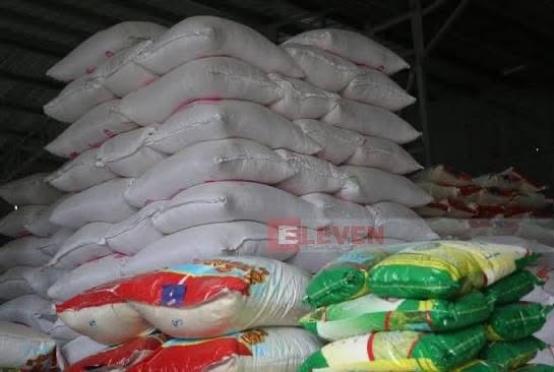
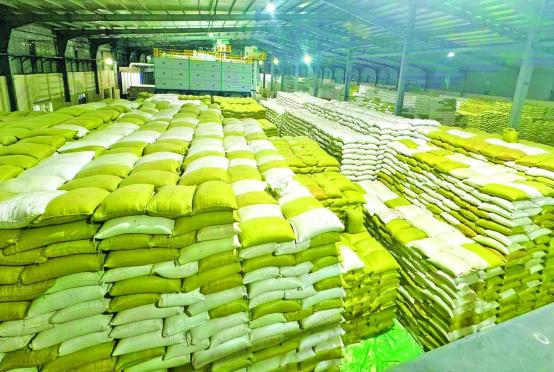
Various products such as cooking oils, beverages, cement, construction materials, consumer goods, and personal items are imported through the Myawady border. Due to the rising Thai Baht exchange rate, prices have increased, and travel difficulties have further slowed down trade, according to a border trader.
"Because of the Baht exchange rate, we have to pay more Kyat. When transporting goods to the domestic market, since the closure of the New Asia Highway, we have to use the Htokawko Road, KyatU Taung Road, 1018 Road, and the old Dawna mountain road, which are very costly. When the goods reach the domestic market, prices increase, affecting consumers," said a border trader.
At the Myanmar-Thai border in Myawady, both Thai Baht and Myanmar Kyat are used in transactions, but Thai products are bought with Baht.
The prices of Thai products purchased with Baht fluctuate based on the Baht exchange rate when resold in Kyat in Myawady.
On July 21, the exchange rate was 750 Baht per 100,000 Kyat, compared to over 1,000 Baht per 100,000 Kyat the previous year.
Although the value of goods worth 100,000 Kyat last year has remained unchanged when bought with Baht this year, it costs nearly 100,000 Kyat more to buy them with Myanmar currency this year.
When reselling, the prices have significantly increased compared to the previous year, impacting the consumer market.
Prices for food, cosmetics, and personal goods have noticeably risen compared to last year.