

Before September 2025, Myanmar’s total electricity generation capacity has reached 6,357 megawatts, according to Union Minister for Electric Power U Nyan Tun. The country’s energy mix includes 51% hydropower, 40% natural gas, 4% solar energy, 2% coal, and 3% diesel.
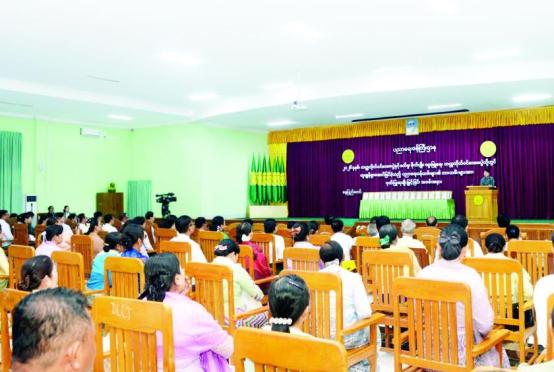
Speaking at the International Forum on Energy Transition 2025 held in Suzhou, China on October 25, U Nyan Tun emphasized that energy security and environmental sustainability are global priorities. He said Myanmar is implementing both large and small-scale renewable energy projects and promoting clean sources such as nuclear power.
The minister noted that Myanmar’s National Electrification Plan (to 2030) aims to meet rising electricity demand mainly through hydropower and natural gas. The government also plans to phase out coal use by 2050, continuing only limited use until 2030.
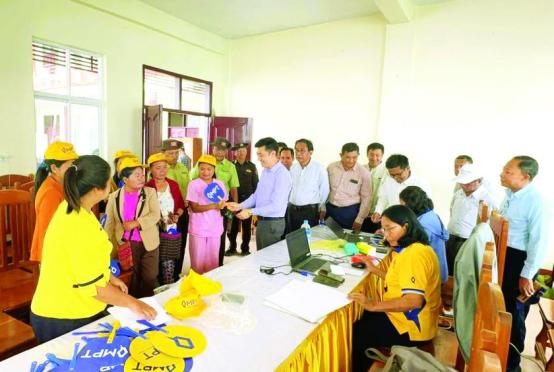
Currently, the country operates eight solar power plants with a total of 240 MW capacity and about 23 MW from smaller solar projects. The government provides tax exemptions to encourage solar investment.
Under the UN Framework Convention on Climate Change (UNFCCC), Myanmar adopted its Nationally Determined Contributions (NDCs) in 2021, setting domestic and internationally supported climate goals.
By 2030, Myanmar aims to generate 11% (2,000 MW) of its electricity from non-hydro renewable sources domestically, and 17% (3,070 MW) with sufficient international support. The ministry is also drafting a new 20-year energy development plan (2026–2045) to expand clean energy, highlighting the importance of China–Myanmar cooperation and international assistance for achieving these goals.