
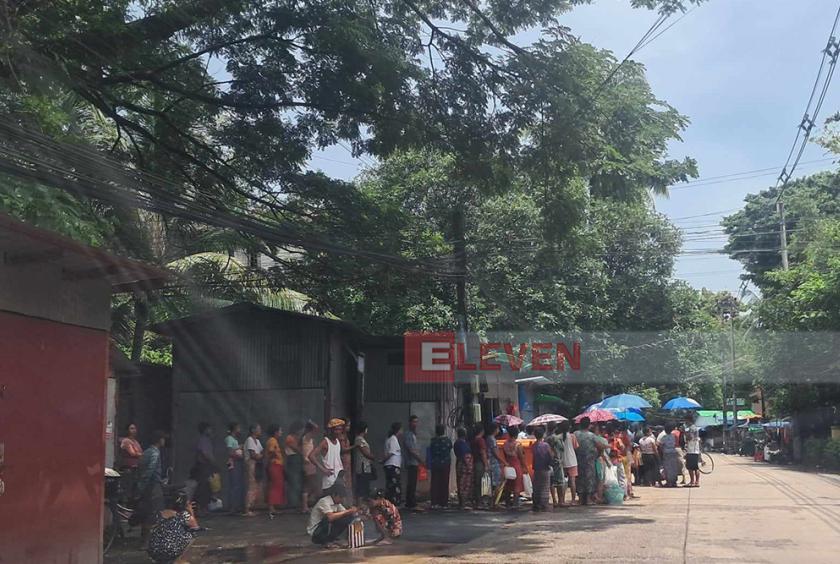
The United Nations Development Programme (UNDP) has reported that more than 37 million people in Myanmar are experiencing multidimensional poverty or are at risk of falling into it.
The figure was included in a UNDP report titled “Layers of Deprivation: Multidimensional Poverty in Myanmar,” released on October 8.
According to the report, approximately 17.9 million people in Myanmar are experiencing multidimensional poverty, while another 19.5 million are at risk of falling into multidimensional poverty.
UNDP noted that poverty is not solely a result of insufficient income but is also associated with simultaneous deprivations in health, living standards and education. It therefore recommended that addressing multidimensional poverty requires not only improving income stability but also strengthening household resources, opportunities and resilience.
As patterns of poverty vary by location, both the severity and prevalence of deprivation must be taken into account, UNDP said. In states such as Kayah and Rakhine, where security instability and movement restrictions are more severe, poverty is particularly acute, with a high proportion of people affected and deeper levels of deprivation. According to the multidimensional poverty index, most households experiencing deprivation are concentrated in the more populous regions and states of Ayeyawady, Sagaing, Mandalay and Shan.
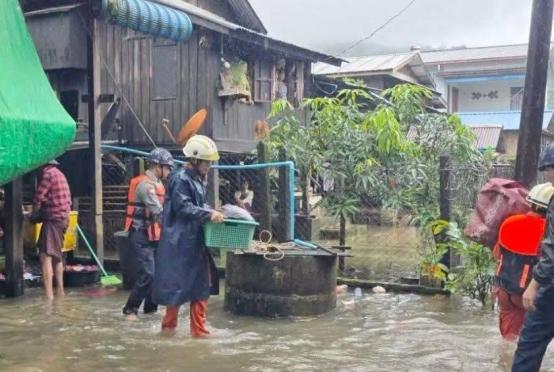
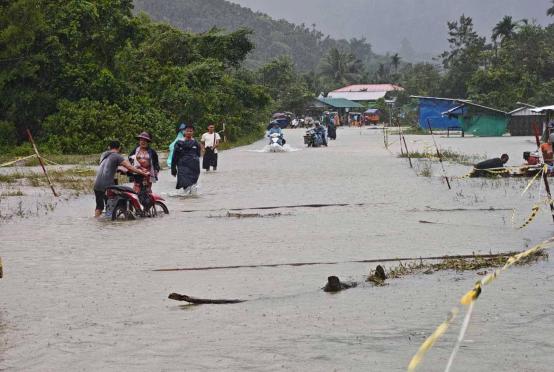
More than half of households nationwide are affected by economic shocks, while approximately one in five households experiences natural-hazard-related shocks, the report said. Although conflict-related shocks are not widespread across the entire country, areas affected by conflict experience the highest levels of multidimensional poverty.
The report also found that multidimensional poverty is most prevalent among households in the lowest income groups, those dependent on daily-wage and temporary employment, and those headed by individuals with limited educational attainment. Displaced households and vulnerable urban populations also face a higher risk of poverty due to insecure housing, informal employment and limited access to basic services. Effective poverty-reduction measures must take into account the distinct vulnerabilities faced by each of these groups to ensure that assistance is appropriately targeted, stated the UNDP.