
Inle Lake Wildlife Sanctuary, a globally significant conservation area, has been identified as a critical habitat for numerous bird species facing global extinction risks, according to the Forest Department.
The sanctuary, which encompasses Inle Lake, Sangkae In, Phae Khon In, and the Bilu Stream, is a key part of Myanmar's Ramsar-designated wetland region, established in 2018. It also serves as a vital site along the East Asia-Australasia Flyway, an important migratory route for birds.
Monthly bird population surveys in the sanctuary and surrounding areas have documented 273 forest bird species and 102 waterbird species, totaling 375 recorded species. During the annual Asian Waterbird Census (AWC), conducted in January, survey results revealed 48 waterbird species with a population of 11,458 in 2024, increasing to 42 species with 13,980 individuals in 2025. Expanding surveys to other connected wetland areas, such as Sangkae In and Phae Khon In, is expected to yield even higher counts of species and populations.
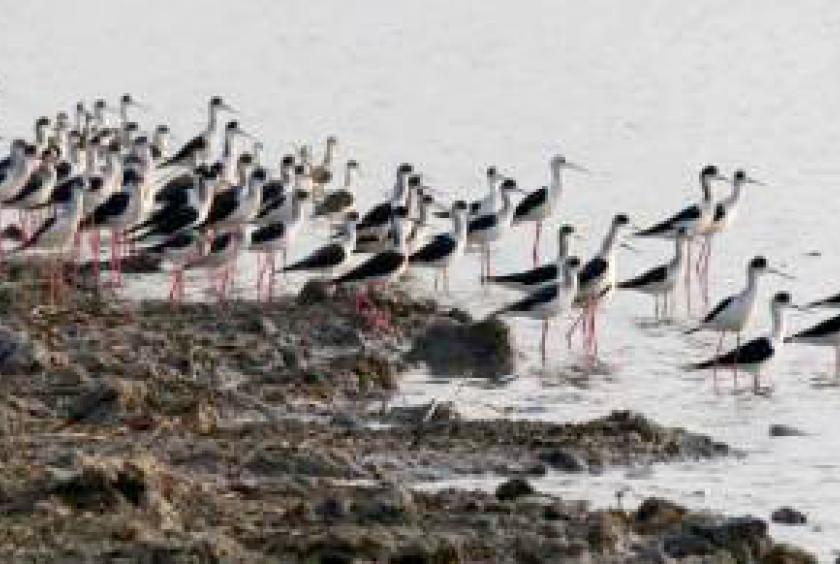
Among the 102 waterbird species recorded in the Inle Lake region, 41 migratory species arrive between October and April, including 12 forest migratory bird species. Notably, endangered and critically threatened species like the Baer’s Pochard, Sarus Crane, Common Pochard, Northern Lapwing, Ferruginous Duck, and Black-headed Ibis were observed.
The sanctuary also hosts endangered forest birds such as the Yellow-breasted Bunting, with over 500 individuals, and the Grey-headed Parakeet, with an estimated population of 100.
Inle Lake serves as a crucial resting and breeding ground for waterbirds, with several species observed nesting and hatching chicks. At the Mine Thauk bird nesting area, the January survey recorded approximately 2,000 Grey-headed Parakeets actively nesting, with young chicks present.
The sanctuary's rich biodiversity highlights its global significance as a refuge for endangered species and a vital stopover for migratory birds.