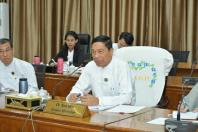

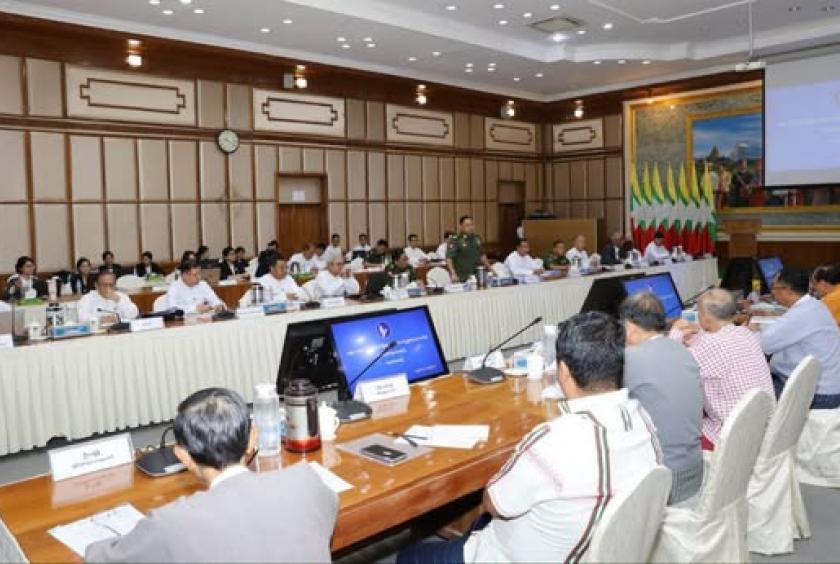
Representatives of the National Solidarity and Peacemaking Negotiation Committee (NSPNC) and a group of political parties met in Nay Pyi Taw on September 17 to discuss ways to advance the peace process and address ongoing political and ethnic armed conflicts.
The meeting was held at the NSPNC, Office No. 20, with the aim of facilitating discussions between political parties and the NSPNC on achieving sustainable peace and building a Union based on democracy and a federal system.
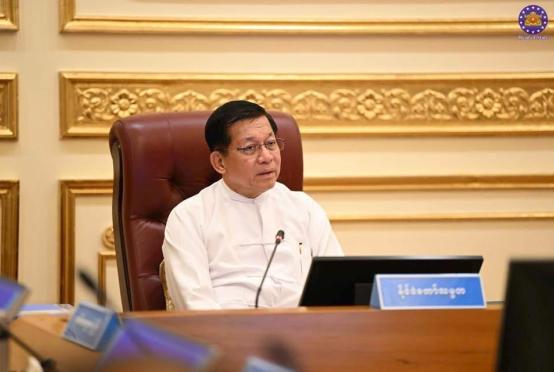
NSPNC Chairman Lieutenant General Yar Pyae said it was the second meeting with political parties. He said a 16-member permanent working group representing the political parties would be selecte to coordinate peace-related discussions with the NSPNC. He also noted that political parties represent the people and that previously agreed discussion topics would continue to be addressed.
Lieutenant General Yar Pyae called on the political parties to discuss ways to help bring armed groups into the legal framework and assist ethnic armed organizations that had signed the Nationwide Ceasefire Agreement (NCA) but later became disengaged for various reasons in returning to the peace process.
He also asked the parties to discuss measures to restore conflict-affected areas to their previous conditions, ways for political parties operating in areas where ethnic armed organizations are based to contribute to peace efforts, and issues concerning the return of internally displaced persons (IDPs) to their places of origin.
NSPNC Secretary Lieutenant General Min Naing briefed the meeting on peace efforts undertaken during the State Administration Council government period and under the new democratic government, as well as the provision of humanitarian assistance. He also explained the policies and guidelines adopted for national solidarity and the peace process and the peace-related activities currently being carried out.
Retired Lieutenant General Khin Zaw Oo, a member of the NSPNC, discussed a peace-process framework that could be better aligned with the current political situation based on previous experiences and achievements. He also outlined directions for the future peace process, a transition strategy and confidence-building measures.
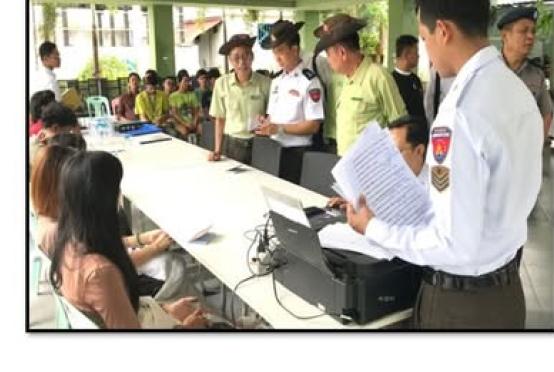
Representatives from 32 political parties subsequently discussed matters including issues covered by previously signed bilateral agreements, consultations with peace-related partner organizations, the organization of peace dialogues in regions and states, the role of the media in the peace process, and legal mechanisms for resolving disputes.
They also exchanged views on humanitarian assistance, procedures and rules for political-party participation in the peace process, greater participation by women, ways for political parties to contribute to peace efforts, cooperation to promote stability and peace, possible amendments to the 2008 Constitution, and public awareness activities.
The first day of the meeting was then concluded.
The event was attended by NSPNC Chairman Lt-Gen Yar Pyae, UEC members, chairpersons,vice-chairs, general secretary, executive members and relevant officials of 32 political parties.
The second day of the discussions is scheduled to continue on September 18.